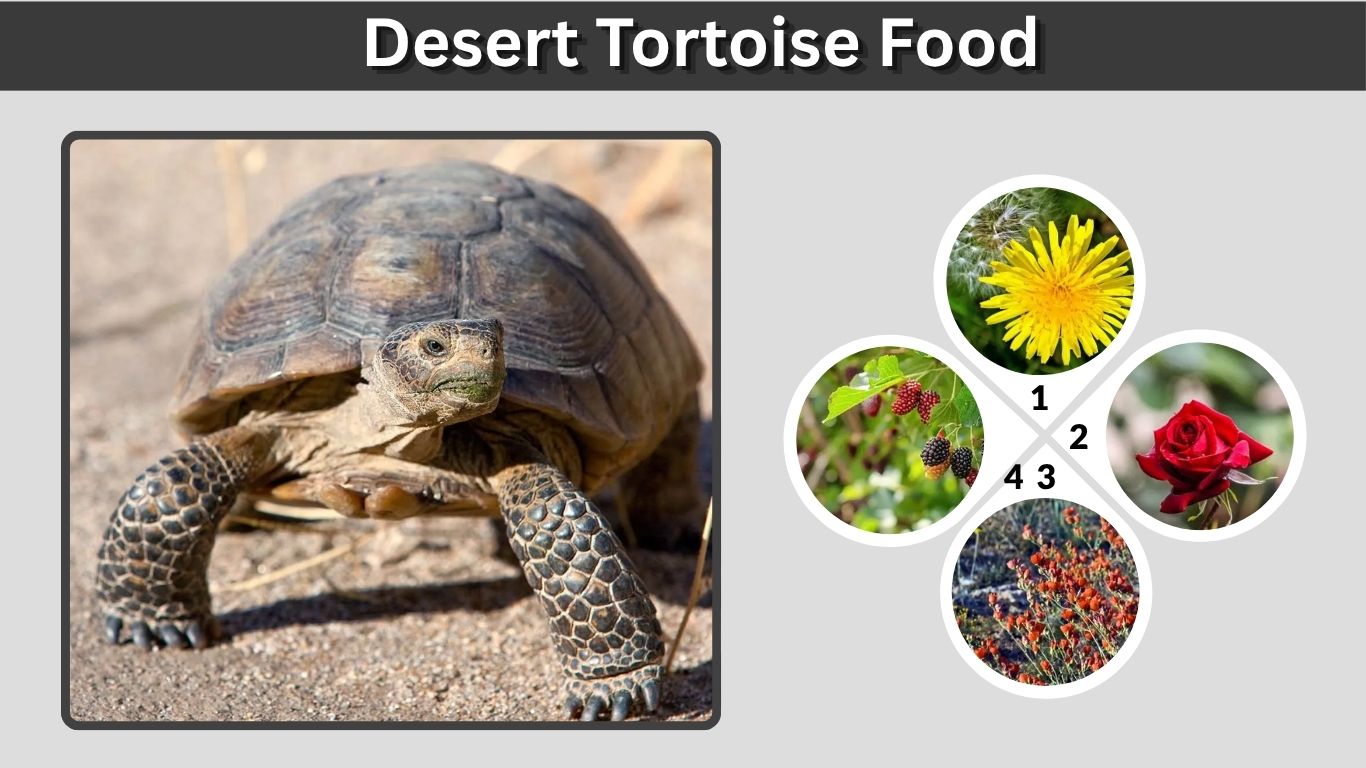
Desert tortoises need a high-fiber, plant-based diet that resembles the grasses, weeds, flowers and leafy plants available in their natural habitat. Although they may eagerly eat fruit, lettuce or commercial pellets, favorite foods are not always the healthiest choices. The best desert tortoise food provides variety, plenty of fiber and relatively little sugar. This guide explains what to feed adult and baby desert tortoises, which plants are safe and what foods should be avoided.
What Do Desert Tortoises Eat?
Desert tortoises are herbivores. In the wild, they graze on seasonal grasses, annual plants, herbs, flowers, cactus pads and occasional cactus fruit. Their food supply changes throughout the year according to rainfall, temperature and plant growth.
Captive tortoises should receive a similarly varied diet. Whenever possible, allow the animal to graze on pesticide-free grasses, edible weeds and tortoise-safe flowering plants in an outdoor enclosure. Grasses are particularly valuable and should form a major part of a planted tortoise habitat.
Ideal Dietary Balance
A practical desert tortoise diet should emphasize:
- Pesticide-free grasses and hay
- Edible weeds and native plants
- Safe leaves, flowers and cactus pads
- Leafy vegetables as occasional supplements
- Commercial tortoise pellets only when suitable forage is limited
No single plant provides everything a tortoise needs. Offering several safe foods encourages natural grazing and reduces dependence on grocery-store produce.
Desert Tortoise Food List
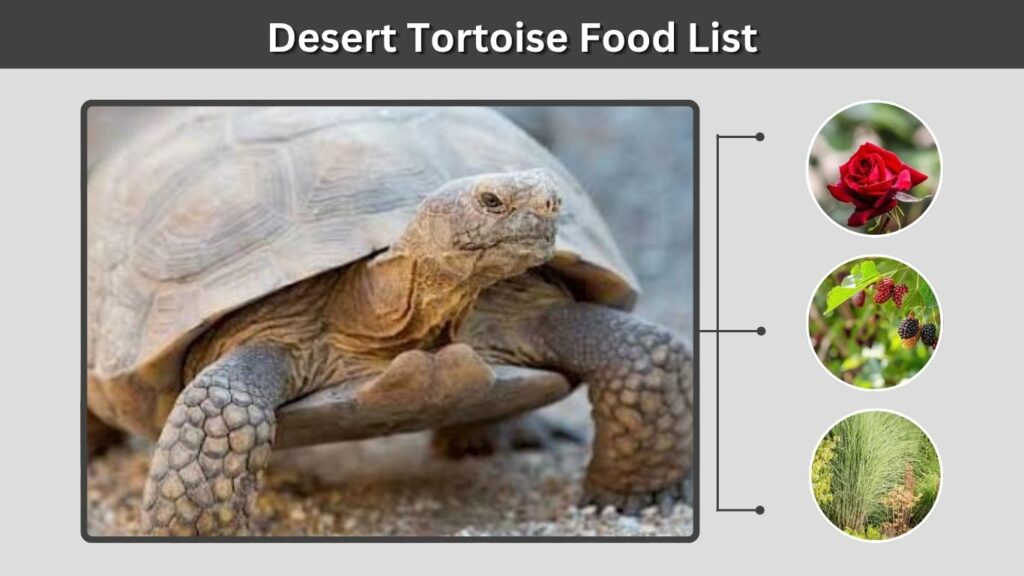
The exact plants available depend on whether the tortoise lives in California, Nevada, Arizona or another suitable region. Always confirm the identity of a plant before allowing the tortoise to eat it.
| Food category | Suitable options | How to use |
| Grasses | Curly mesquite, deer grass, Arizona cottontop, blue grama, sideoats grama, Bermuda grass | Allow regular grazing |
| Weeds and herbs | Dandelion greens, plantain, clover, mallow | Feed as part of a varied diet |
| Leaves | Mulberry, grape, hibiscus, collard and mustard greens | Rotate with other foods |
| Flowers | Hibiscus, rose petals, nasturtium, globemallow, petunia | Offer pesticide-free blooms |
| Cactus | Prickly pear pads and limited seasonal fruit | Remove sharp spines before feeding |
| Hay | Timothy, Bermuda or mixed grass hay | Provide clean, dry forage |
| Vegetables | Kale, endive, bok choy, green beans and turnip greens | Use mainly as supplements |
The Arizona-Sonora Desert Museum lists native grasses, mallows, plantain, prickly pear, grape leaves, mulberry leaves, hibiscus and several leafy vegetables among acceptable foods. It notes that produce is generally less nutritious than growing forage and should be used when better foods are unavailable or as a supplement.
Best Food for a Desert Tortoise
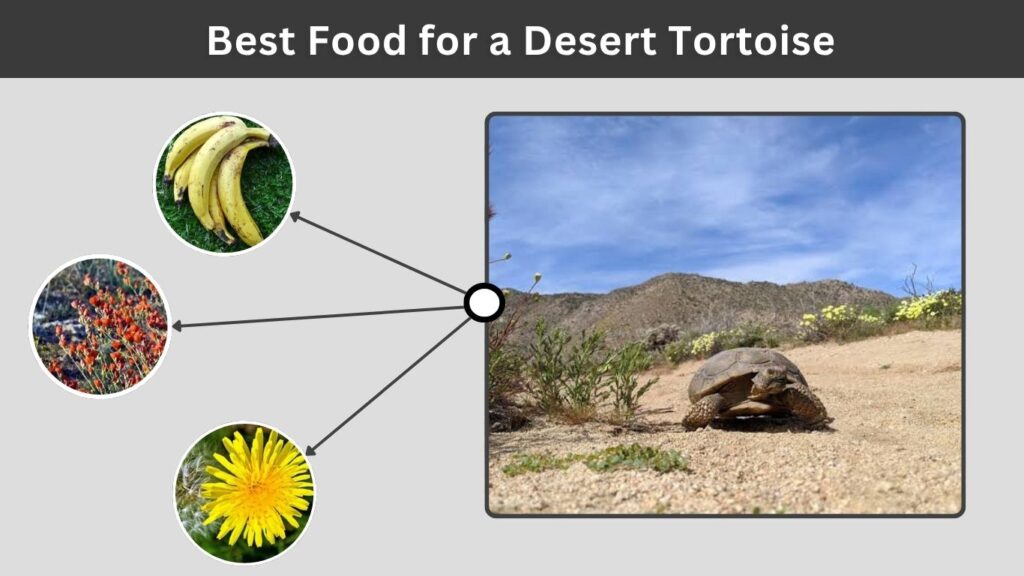
The best food is not a bowl containing one vegetable. It is a diverse, living feeding area where the tortoise can browse throughout its active period.
Grasses and Hay
Grasses supply the fiber desert tortoises need. Suitable options include curly mesquite, deer grass, blue grama, sideoats grama and Arizona cottontop. Timothy or Bermuda hay may also be offered, although some tortoises prefer fresh growth.
Place hay somewhere clean and dry. Juveniles should receive the softer, finer and leafier portions because coarse stems may be difficult for them to manage.
Edible Weeds and Native Plants
Dandelion, plantain, clover, globemallow and other verified edible weeds can add valuable variety. Home-grown plants are safest because roadside and public-land vegetation may contain pesticides, herbicides, vehicle pollution or animal waste.
A planted enclosure encourages exercise and allows the tortoise to choose among different grasses, leaves and flowers.
Flowers and Cactus
Many desert tortoises enjoy hibiscus flowers, rose petals, globemallow and fallen desert-willow flowers. Prickly pear pads are another useful food after all spines and fine irritating bristles have been removed.
Cactus fruit is naturally sweet and may be a favorite desert tortoise food, but it should remain seasonal rather than becoming an everyday item.
Foods Desert Tortoises Should Avoid
Foods that are safe for people or other pets may be unsuitable for a desert tortoise.
Do Not Feed
- Meat, eggs or insects
- Dog or cat food
- Bread, pasta, rice or cereal
- Dairy products
- Bananas, grapes, melon and other sugary fruit
- Avocado
- Processed human food
- Plants treated with pesticides or herbicides
- Unknown garden or houseplants
Fruit should generally be avoided, apart from a limited amount of seasonal prickly pear fruit. Meat and pet food provide inappropriate nutrition for this completely herbivorous animal.
Iceberg lettuce is also a poor staple because it supplies little useful nutrition. Darker leafy vegetables are better, but even nutritious greens should not replace grasses, weeds and natural forage.
Oleander and other toxic landscaping plants must never be accessible inside the enclosure. Check every plant by both its common and scientific name before planting it near a tortoise.
Can Desert Tortoises Eat Food Pellets?
Commercial desert tortoise food pellets can help when fresh grasses and safe plants are temporarily unavailable. However, pellets should not become the entire diet.
The U.S. Fish and Wildlife Service includes a formulated product such as Mazuri Tortoise Diet as an option when native vegetation is insufficient. Its care guidance recommends softening the pellets in water and mixing them with appropriate plant foods rather than feeding dry pellets alone.
Choose a formula made for grazing tortoises, not aquatic turtles or omnivorous reptiles. Remove leftover softened food before it spoils, especially during hot weather.
Baby Desert Tortoise Food
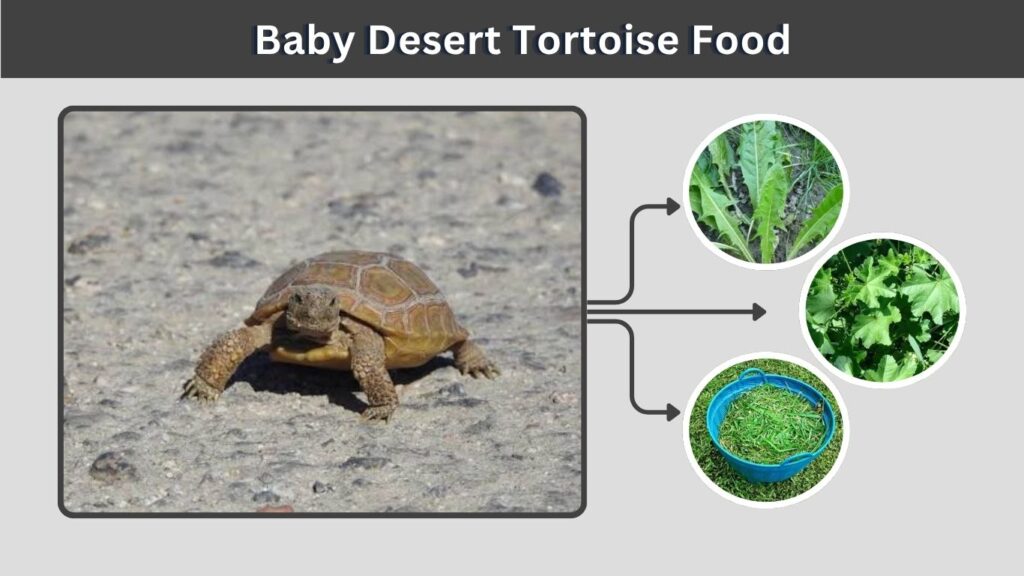
Hatchlings and juvenile desert tortoises generally eat the same types of plants as adults, but the food should be tender and easy to bite.
Suitable baby desert tortoise foods include finely cut grass, young dandelion leaves, soft mallow leaves, hibiscus, mulberry leaves and the leafy portions of Timothy hay. Avoid raising a hatchling mainly on lettuce or fruit.
Young tortoises also need appropriate outdoor sunlight or professionally designed UVB lighting when indoor care is temporarily necessary. Diet alone cannot support normal calcium use without suitable UVB exposure.
Feeding and Watering a Desert Tortoise
A tortoise living in a planted outdoor enclosure may graze at different times throughout the day. Supplemental food is usually best offered during its active morning hours rather than during extreme afternoon heat.
Serve food on a clean tile or shallow dish to reduce accidental soil ingestion. Remove spoiled vegetables and softened pellets promptly.
Fresh water should also be provided in a shallow, stable dish sunk level with the ground. The tortoise must be able to enter and leave safely without overturning. Water remains important even though desert tortoises obtain some moisture from plants.
How Long Can a Desert Tortoise Go Without Food?
A healthy desert tortoise may naturally spend an extended period without eating during winter brumation or hot-weather inactivity. Its appetite usually returns when environmental temperatures and seasonal conditions become suitable.
There is no single safe number of days for an active tortoise to go without food. Refusing food while awake can indicate unsuitable temperatures, dehydration, stress, mouth problems or illness. Contact a reptile veterinarian when appetite loss is prolonged or accompanied by weight loss, swollen eyes, nasal discharge or unusual weakness.
How Desert Tortoises Find and Eat Food
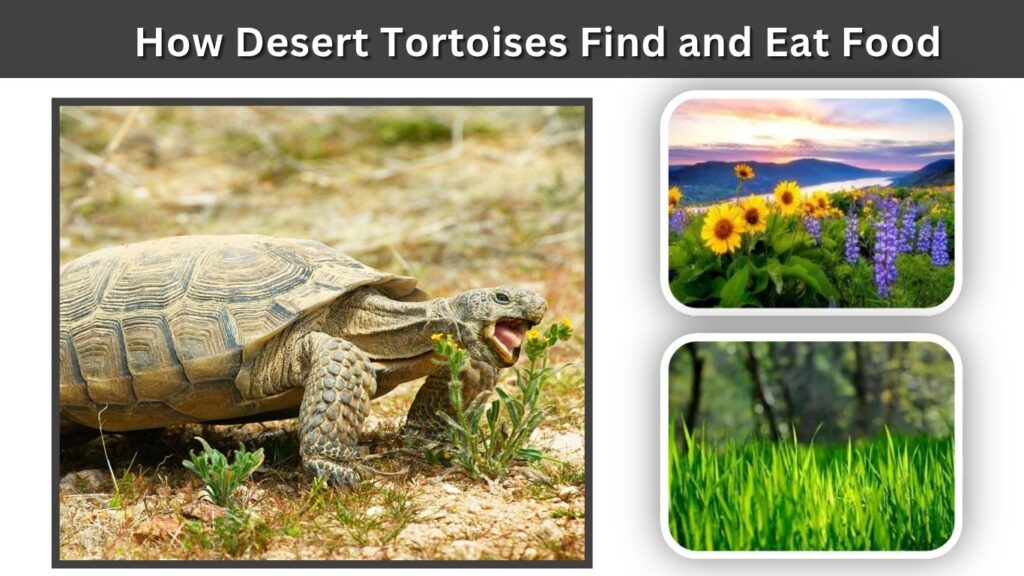
Desert tortoises walk through their home ranges and graze on low-growing vegetation. Spring wildflowers, fresh grass and annual plants become especially important after rainfall. During drier periods, tortoises may consume tougher plants and dry forage.
Within the desert food web, the tortoise is primarily a plant-eating consumer. Eggs and young tortoises may be preyed upon by ravens, coyotes, kit foxes, badgers and other desert animals.
FAQs
What is a desert tortoise’s favorite food?
Many desert tortoises eagerly eat hibiscus flowers, globemallow, dandelion greens and prickly pear fruit. However, favorite foods should not dominate the diet. A varied mixture of grasses, weeds, leaves and flowers is healthier than repeatedly offering one preferred item.
Can desert tortoises eat kale?
Kale may be offered as one part of a varied diet. Rotate it with mustard greens, collard greens, dandelion, endive and natural forage. Grocery-store greens should supplement rather than replace grasses, edible weeds and safe plants growing inside the enclosure.
Can a desert tortoise eat fruit?
Most fruit should be avoided because it contains more sugar than the tortoise’s natural high-fiber diet. Bananas, grapes and melon are not appropriate regular foods. A small quantity of naturally available prickly pear fruit may be offered seasonally.
How often should a desert tortoise be fed?
A tortoise with a planted enclosure can graze during its active hours. Supplemental greens or softened pellets may be offered in controlled portions while it is active. Feeding needs vary with age, temperature, season, enclosure vegetation and the animal’s health.
Do desert tortoises need calcium supplements?
A varied diet of appropriate plants may provide adequate nutrition without routine supplementation. The Arizona-Sonora Desert Museum warns that unnecessary vitamins or minerals may be harmful. Supplement use should therefore be discussed with an experienced reptile veterinarian rather than added automatically.