
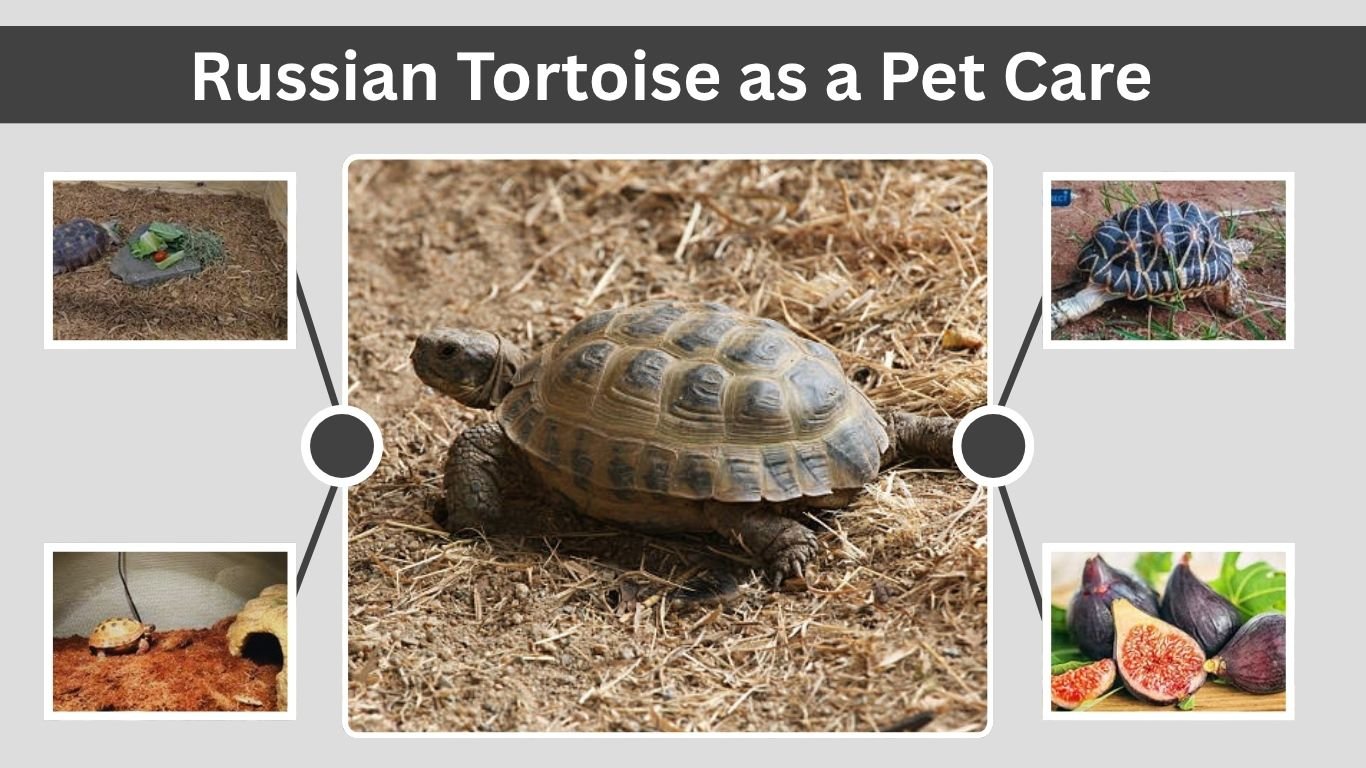
Russian tortoises are one of the most popular pet tortoise species, especially for beginners. Their small size, calm nature, and relatively simple care requirements make them an attractive choice for reptile enthusiasts.
However, owning a Russian tortoise is a long-term commitment. These animals can live for decades and require proper care, diet, and habitat to stay healthy. In this guide, you’ll learn everything you need to know about keeping a Russian tortoise as a pet.
Why Choose a Russian Tortoise as a Pet?
Russian tortoises are often recommended for first-time reptile owners due to their manageable size and hardy nature. While they are not completely low-maintenance, they are easier to care for compared to many other reptiles.
Friendly and Manageable Size
Russian tortoises typically grow to about 5 to 10 inches in length, making them small enough to handle and house comfortably. Their size makes them suitable for indoor enclosures as well as outdoor setups in suitable climates.
Unlike larger tortoise species, they do not require extremely large spaces, which makes them more practical for most households.
Long Lifespan Commitment
One of the most important things to consider is their lifespan. Russian tortoises can live 40 years or more with proper care.
This means adopting one is a long-term responsibility. Owners need to be prepared to provide consistent care for many years, similar to caring for a long-lived pet like a parrot.
Low Maintenance Compared to Other Pets
While they still require specific care, Russian tortoises are generally easier to manage than many reptiles. They do not need frequent feeding of live prey and are herbivores, which simplifies their diet.
They are also quiet, do not require grooming, and are less demanding in terms of attention compared to cats or dogs.
Russian Tortoise Care Requirements
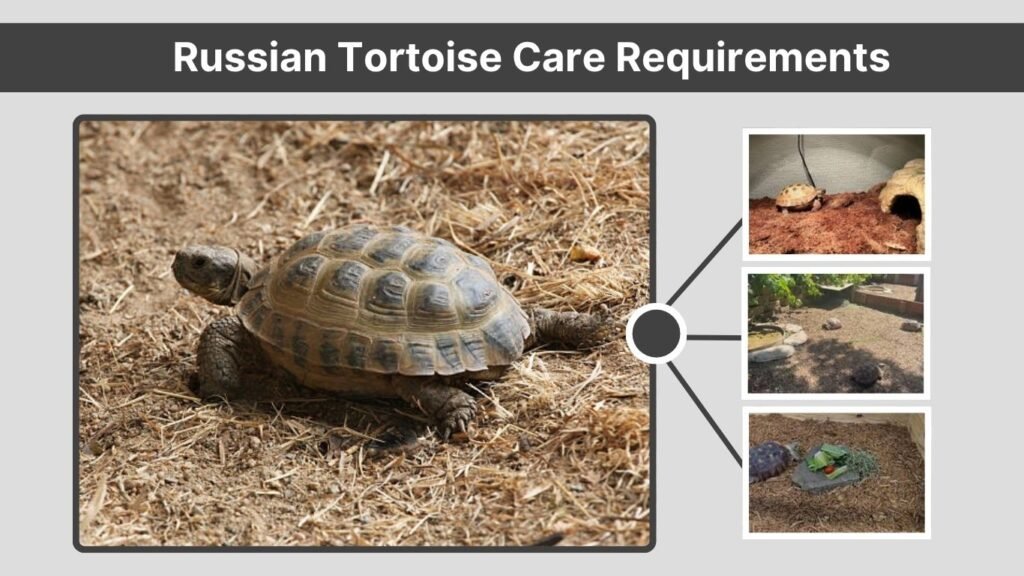
Providing the right environment is essential for keeping your tortoise healthy. A proper setup mimics their natural habitat and supports their physical and behavioral needs.
Habitat Setup Basics
- Provide a spacious enclosure, whether indoors or outdoors
- Use a suitable substrate like soil, coconut fiber, or sand mix
- Include hiding spots to reduce stress and encourage natural behavior
A well-designed enclosure allows your tortoise to move, dig, and explore, which is important for its overall well-being.
Temperature and Lighting Needs
- Maintain a basking area with temperatures around 90–95°F (32–35°C)
- Keep the cooler side of the enclosure around 70–75°F (21–24°C)
- Use UVB lighting to support calcium absorption and shell health
Lighting and temperature are critical. Without proper UVB exposure, tortoises can develop serious health issues such as shell deformities.
Humidity and Water
- Maintain moderate humidity levels to support healthy growth
- Provide a shallow water dish for drinking and soaking
- Soak your tortoise regularly to prevent dehydration
Even though Russian tortoises come from dry regions, they still need access to water and proper hydration to stay healthy.
Russian Tortoise Diet Guide
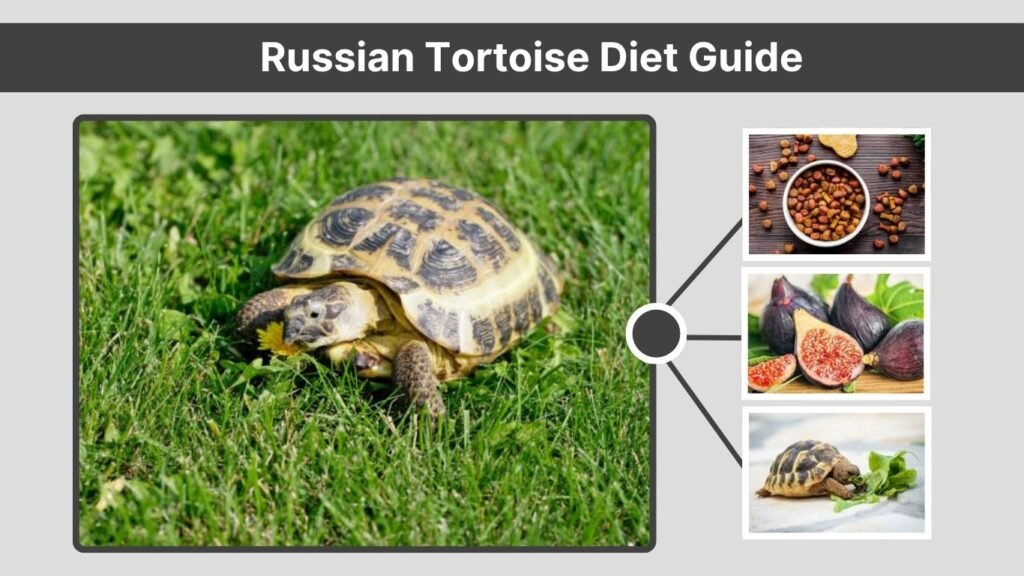
Diet plays a crucial role in the health and longevity of a Russian tortoise. Feeding the right foods helps prevent many common health problems.
What Do Russian Tortoises Eat?
Russian tortoises are herbivores and primarily eat leafy greens, weeds, and grasses. Their natural diet is high in fiber and low in protein.
Common food options include dandelion greens, collard greens, mustard greens, and other safe leafy plants. Providing a varied diet ensures they receive all necessary nutrients.
Foods to Avoid
- High-protein foods such as meat or pet food
- Excess fruit, which contains too much sugar
- Processed or human foods
Feeding inappropriate foods can lead to digestive problems, obesity, and long-term health issues.
Feeding Schedule and Portions
Adult Russian tortoises should be fed once daily, with portions based on their size. The food amount should roughly match the size of their shell.
Fresh food should always be provided, and leftovers should be removed to keep the enclosure clean.
Russian Tortoise Diet Chart (Quick Guide)
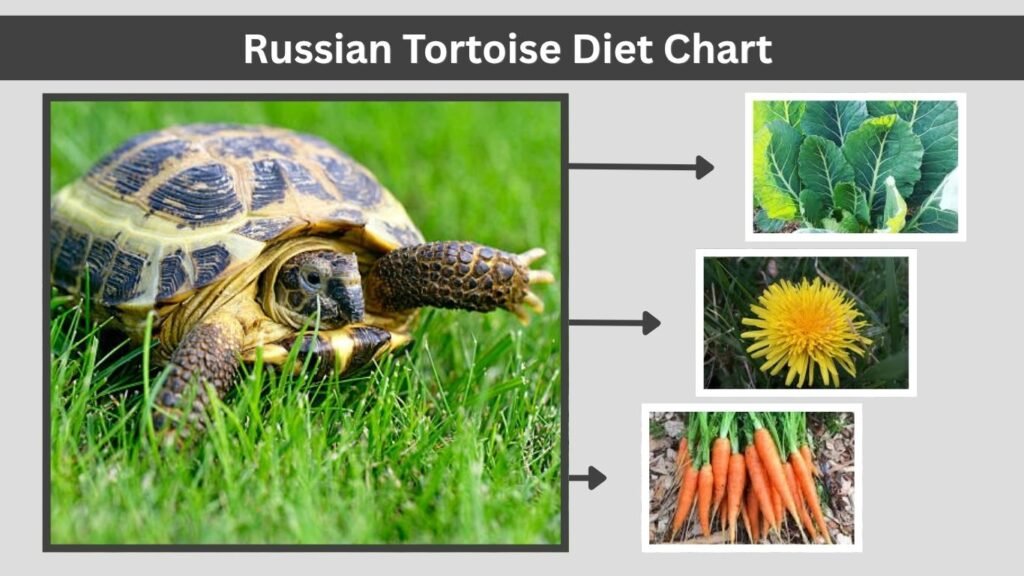
A simple feeding plan can help ensure your tortoise gets a balanced diet.
| Food Type | Examples | Frequency |
| Leafy Greens | Dandelion, kale, collard greens | Daily |
| Vegetables | Carrots, squash | Occasionally |
| Weeds/Grasses | Clover, plantain | Daily |
| Fruits | Apple, berries | Rarely |
| Supplements | Calcium powder | 2–3 times/week |
Pros and Cons of Keeping a Russian Tortoise
Before bringing a Russian tortoise home, it’s important to understand both the advantages and challenges. This helps ensure you are fully prepared for the responsibility.
Pros
- Long lifespan, making them a lifelong companion
- Quiet and low-noise pet, ideal for apartments
- Unique behaviors that are interesting to observe
Russian tortoises are calm animals that do not require constant attention, making them suitable for people with busy lifestyles. Their natural behaviors, such as digging and exploring, can also be fascinating to watch.
Cons
- Requires long-term commitment of 40+ years
- Needs proper lighting, heating, and enclosure setup
- Limited interaction compared to pets like dogs or cats
While they are easier to care for than some reptiles, they still require specific conditions to stay healthy. They are not highly interactive, so they may not be ideal for those looking for a playful pet.
Common Health Issues in Russian Tortoises
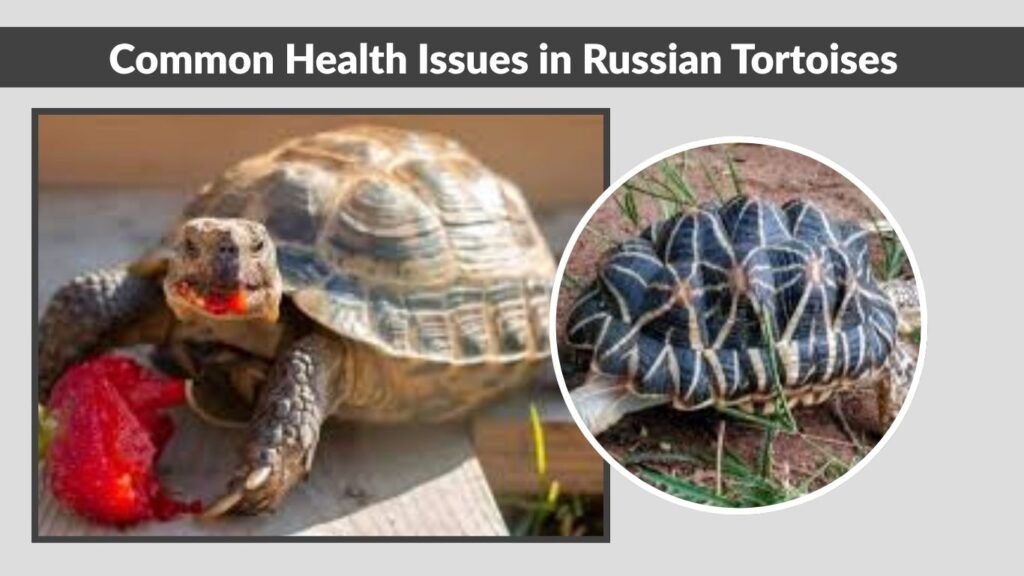
Like any pet, Russian tortoises can develop health problems if not properly cared for. Understanding common issues helps you detect problems early.
Shell Problems
Shell issues, such as shell rot or abnormal growth, are often caused by poor hygiene or lack of proper nutrition. A healthy shell should be firm and smooth.
Regular cleaning of the enclosure and proper calcium intake can prevent most shell-related problems.
Respiratory Infections
Respiratory infections are usually caused by incorrect temperature or humidity levels. Symptoms may include nasal discharge, wheezing, or lethargy.
Maintaining proper environmental conditions is the best way to prevent these infections.
Nutritional Deficiencies
A poor diet can lead to deficiencies, especially in calcium and vitamins. This can result in weak bones, soft shells, and reduced activity.
Providing a varied diet along with calcium supplements helps ensure proper nutrition.
Is a Russian Tortoise the Right Pet for You?
Choosing a pet should always be based on your lifestyle, space, and ability to provide proper care. Russian tortoises are rewarding pets, but they are not suitable for everyone.
Time and Care Commitment
Although they do not require constant attention, Russian tortoises still need daily care, including feeding, cleaning, and monitoring their environment.
Their long lifespan also means you must be prepared for a commitment that can last several decades.
Space and Environment
A proper enclosure is essential. Even though they are small, Russian tortoises need enough space to move around, dig, and explore.
Outdoor enclosures are ideal in warm climates, but indoor setups can also work with proper lighting and heating.
Cost of Ownership
Initial setup costs can include an enclosure, lighting, heating equipment, and substrate. Ongoing costs involve food, supplements, and occasional veterinary care.
While they are not extremely expensive, they still require consistent investment to maintain proper care.
FAQs
Are Russian tortoises good pets for beginners?
Yes, Russian tortoises are often considered one of the best tortoise species for beginners. They are relatively hardy and have simple dietary needs. However, they still require proper lighting, habitat setup, and long-term care commitment.
How long do Russian tortoises live?
Russian tortoises can live 40 years or more with proper care. Some may even live longer in ideal conditions. This long lifespan makes them a lifelong companion and requires serious commitment from the owner.
Do Russian tortoises need UVB light?
Yes, UVB lighting is essential for Russian tortoises. It helps them absorb calcium properly, which is necessary for healthy shell and bone development. Without UVB light, they can develop serious health issues over time.
Can Russian tortoises live indoors?
Yes, Russian tortoises can live indoors if their enclosure provides proper space, lighting, and temperature. However, they benefit greatly from outdoor time in safe and warm environments where they can experience natural sunlight.
Conclusion
Russian tortoises make excellent pets for those who are prepared to meet their needs. They are calm, relatively easy to care for, and fascinating to observe. However, they require proper habitat setup, a balanced diet, and consistent care to stay healthy.